
Why Cutting FIBC jumbo bags is difficult
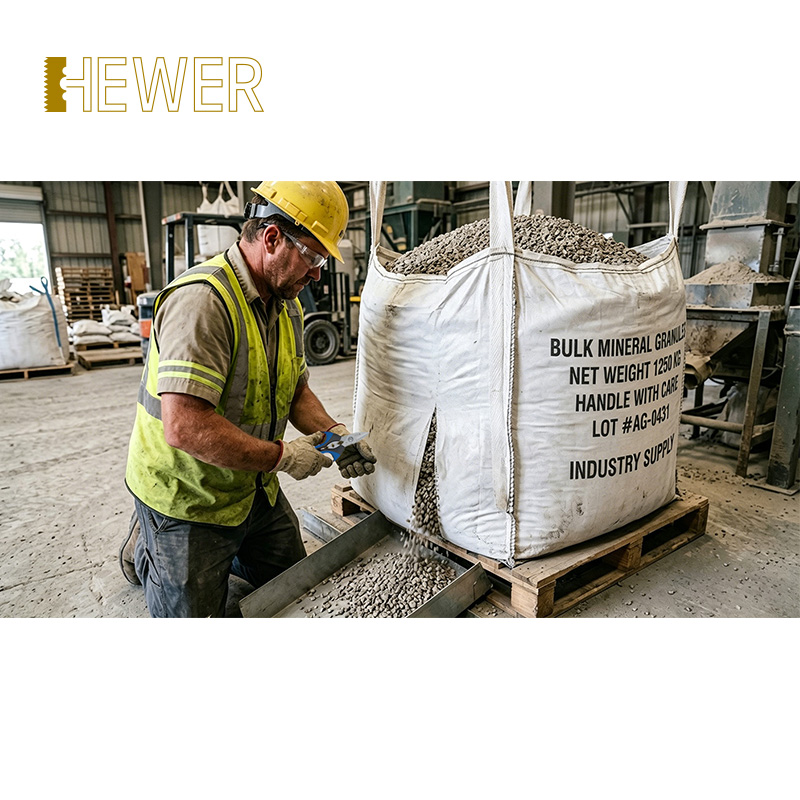
Flexible Intermediate Bulk Containers
(FIBCs), commonly known as jumbo bags, present a unique set of challenges when
it comes to cutting and discharging materials. While they may look like simple
oversized sacks, their engineering is specifically designed to resist failure
under immense tension, which is exactly what makes it difficult to slice
through manually.
Here is a breakdown of why these bags are so resilient to standard cutting methods:
1. High-Tenacity Polypropylene Construction
Jumbo bags are
typically made from woven polypropylene (PP) tapes.
Polypropylene is chosen for its high strength-to-weight ratio and its
resistance to stretching.
The Weave Pattern: Because the material is woven rather than a solid sheet, a blade often "snags" on individual tapes. Instead of a smooth slice, the blade must overcome the friction of multiple interlocking plastic ribbons.
Dullness Factor: Polypropylene is surprisingly abrasive. A standard carbon steel blade can lose its "razor" edge after only a few cuts through heavy-duty woven plastic, leading to increased physical effort and a higher risk of the blade slipping.
2. Material Tension and
"Bunching"
To cut effectively, a blade needs the
material to be taut. However, when an FIBC is filled, the weight (often 500kg
to 2,000kg) creates extreme internal pressure.
The Squeeze Effect: As a knife enters the bag, the internal pressure of the product (like sand, grain, or chemicals) pushes the fabric against the sides of the blade. This "pinches" the knife, creating massive friction that makes it feel like the blade is stuck.
Bunching: If the bag is empty or partially deflated, the fabric becomes loose and "bunches" up in front of the blade. Rather than cutting, the knife often just pushes the fabric forward.
3. Integrated Reinforcements
Many jumbo bags are not just single layers
of plastic. Depending on their intended use, they may contain:
Liners: Some bags have internal polyethylene liners for moisture protection. This creates a "bag-within-a-bag" scenario where the blade must travel through two different materials with different densities.
Baffles: High-stability bags (Q-Bags) have internal fabric panels (baffles) designed to keep the bag's square shape. If you are cutting deep into the bag, you may unexpectedly hit these internal structures.
4. Safety Constraints and Ergonomics
The sheer size of a jumbo bag introduces a
physical barrier for the person doing the cutting.
Reach and Angle: Workers often have to cut at shoulder height or reach under a suspended load. Cutting at an awkward angle reduces the leverage you can apply to the knife, making the tough plastic feel even more impenetrable.
The Risk of "Bursting": Because the bag is under tension, once a cut is initiated, the material can "unzip" rapidly due to the weight of the contents. This unpredictable movement makes it difficult to maintain a straight, controlled line.
The HEWER MultiCUT HS-3118 safety shears are designed for powerfully cutting industrial materials such as cardboard, fiber, plastic sheets, soft metal sheets, construction foam, and many other specialty materials. The pointed blade can pierce thick materials such as jumbo bags.